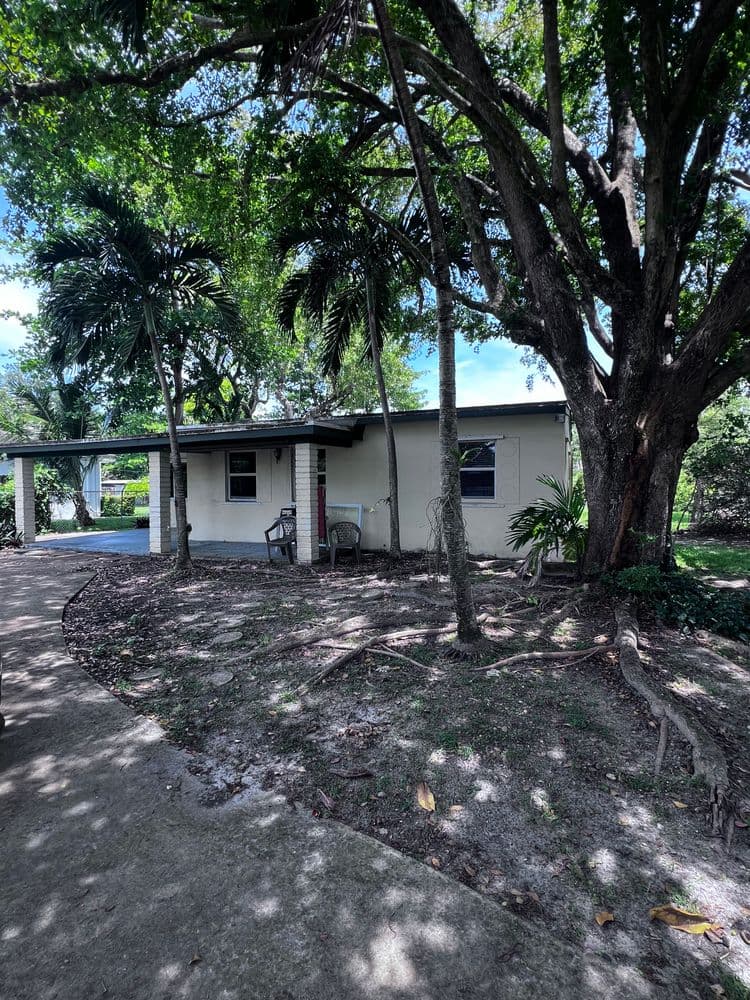
For Sale
$1,095,000
Single Family6511 SW 63rd Ave
South Miami · South Miami, FL
- Bedrooms
- 3 bd
- Bathrooms
- 2 ba
- Interior area
- 1,614 sq ft
Buyer representation
Most buyers lose money before they ever make an offer — by shortlisting the wrong buildings or the wrong streets. The work starts well before the tour.
Most buyers lose money before they ever make an offer, by shortlisting the wrong buildings or the wrong streets. The work starts with narrowing the market to what actually fits how you live.
From there: private tours, building-level due diligence, comparative pricing analysis and a negotiation strategy built around the seller's actual motivation.
The process
Nothing here is a secret. It's just done consistently, which turns out to be the hard part.
We map your priorities, budget and timeline — and rule out the neighborhoods that don't fit before you spend a Saturday touring them.
Introductions to lenders who move fast on Miami condominiums, including foreign-national and portfolio options.
A curated shortlist refreshed weekly, private tours, and access to pre-market inventory through the local agent network.
A comparative analysis before every offer, and a negotiation built around the seller's motivation, not a formula.
Inspection, appraisal, building financials, reserves, litigation history and recertification status — reviewed line by line.
Title, walkthrough and closing coordination — plus the vendor list you'll need in the first month after you move in.
Investment
Miami's investment market rewards precision. Two buildings on the same block can have entirely different rental policies, assessment exposure and net yields.
Every recommendation comes with an underwriting model: gross rent assumptions, HOA and tax load, vacancy, management, and a realistic five-year exit.
Relocation
Relocating buyers are making a decision about a city, not just a property. The first conversation is usually about neighborhoods, commutes and schools — not square footage.
Support runs through the whole move: virtual tours ahead of your visit, an itinerary built around your shortlist, and introductions to attorneys, lenders, movers and schools.
Available now
$1,095,000
Single FamilySouth Miami · South Miami, FL
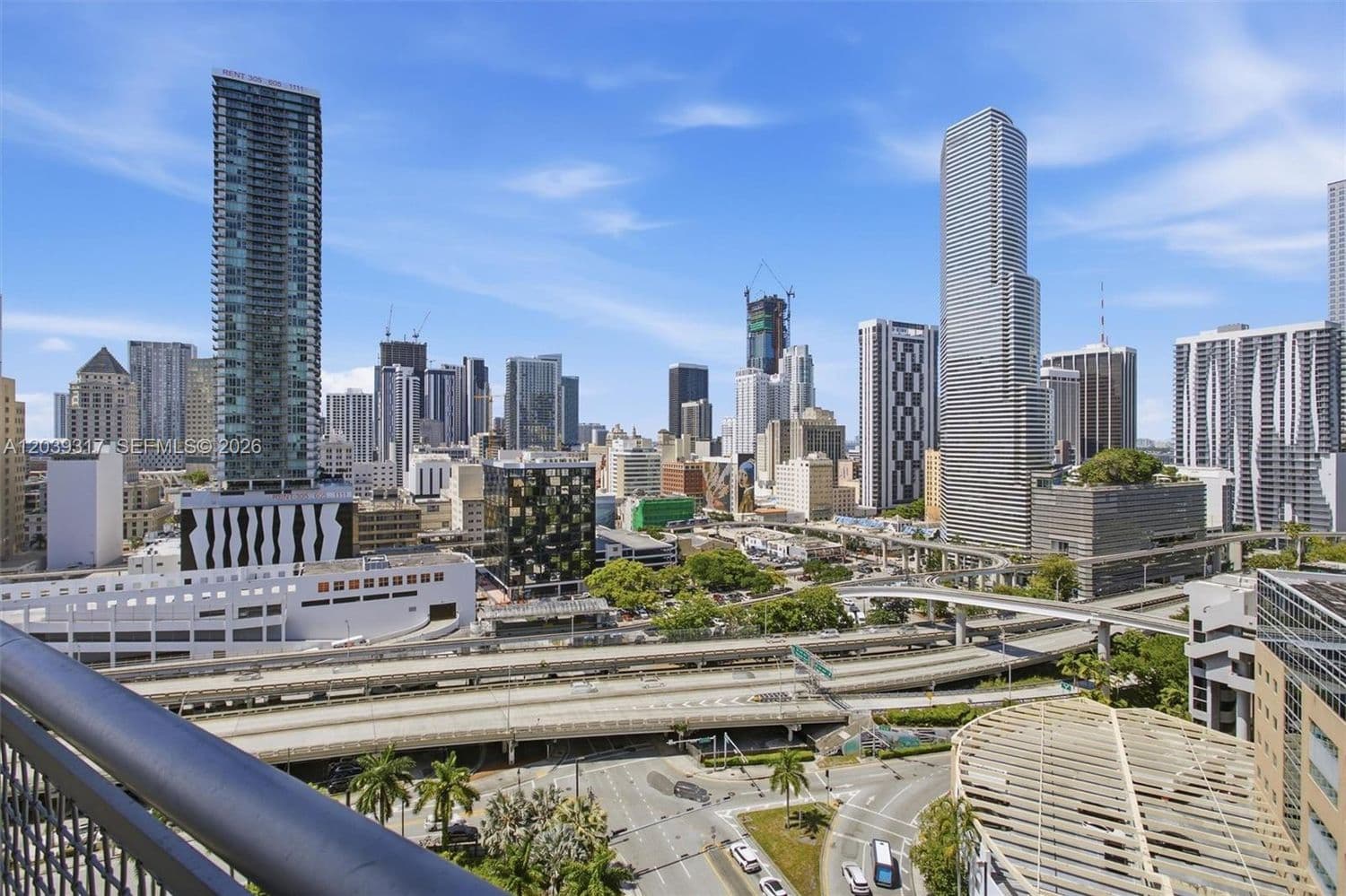
$490,000
CondoBrickell · Miami, FL
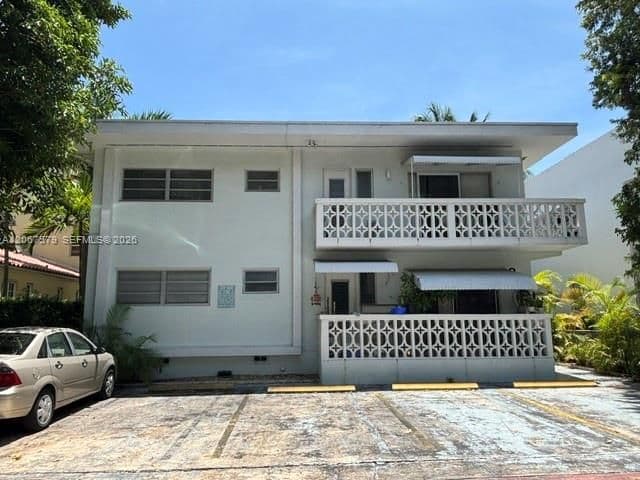
$220,000
CondoMiami Beach · Miami Beach, FL
Questions
Start here
I'll come back with a shortlist, honest pricing context, and the buildings or streets worth ruling out before you spend a weekend on them.
Let's talk
Fifteen minutes on the phone will tell you more about your options than a month of scrolling listings. No pressure, no pitch.