BuyingJuly 28, 20269 min read
Florida Rewrote the Condo Rules. Here's What It Means If You're Buying.
Milestone inspections, structural reserve studies and the funding deadlines that just landed. The building's paperwork now tells you more about your purchase than the unit does.
By Gabriel Quiroga
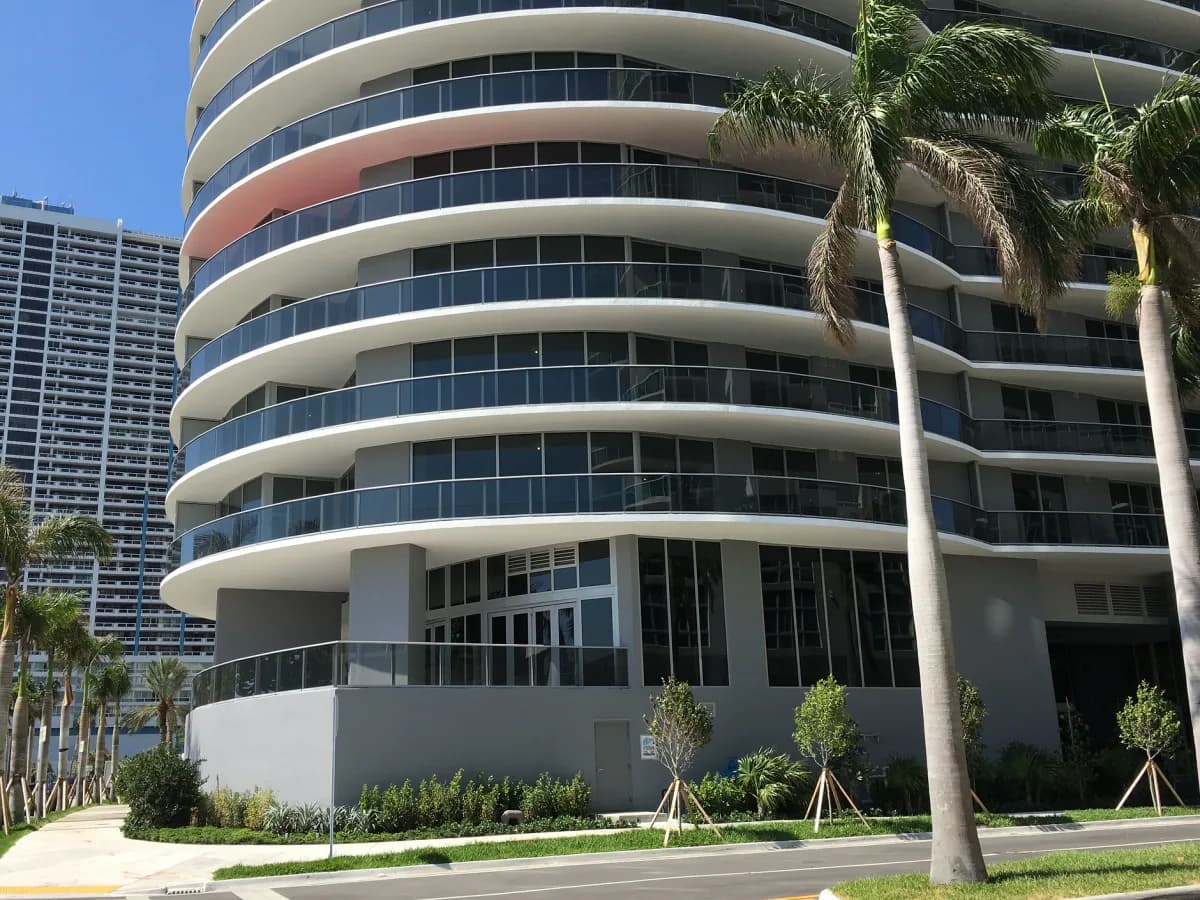
For most of the last forty years, buying a Florida condominium was mostly an exercise in evaluating a unit. You looked at the view, the finishes, the floor plan, the monthly fee. The building itself was assumed to be somebody else's problem.
That assumption is gone. After Surfside, the Legislature rebuilt the rules around how condominium buildings are inspected and funded, and the practical effect for a buyer is simple: the association's paperwork now tells you more about whether this is a good purchase than anything you will see on the tour.
Here is what actually changed, what it means for your offer, and the documents I read before a client of mine signs anything.
Two documents people constantly confuse
Almost every buyer I work with arrives having heard both terms and believing they are the same thing. They are not, and the difference matters.
The milestone inspection
This is a structural safety inspection, required under section 553.899 of the Florida Statutes for buildings of three or more habitable stories. A building gets its first one at thirty years old, and then every ten years after that. It answers one question: is this structure sound?
The structural integrity reserve study (SIRS)
This one is financial, and it is the one that will cost you money. Required under section 718.112(2)(g), the SIRS prices out what it will cost to maintain and replace the building's critical systems, and sets the reserves the association has to hold against them. It covers eight categories:
- Roof
- Load-bearing walls and primary structural members
- Fire protection systems
- Plumbing
- Electrical systems
- Waterproofing and exterior painting
- Windows and exterior doors
- Any other item with a deferred maintenance or replacement cost over $25,000 that affects the systems above
One tells you whether the building is standing up. The other tells you what the owners are about to be billed for. You want both.
The deadlines that just landed
House Bill 913 took effect on July 1, 2025, and adjusted the timeline that the 2022 and 2023 laws had set. The dates worth knowing as a buyer right now:
- Existing unit-owner-controlled associations were generally required to complete their SIRS by December 31, 2025.
- Associations with a milestone inspection due on or before December 31, 2026 were allowed to align the two — but the SIRS cannot be completed later than December 31, 2026.
- Associations that had previously voted to waive or reduce reserves are generally expected to begin funding the required SIRS reserves from January 1, 2026.
- The threshold for an individually reserved item rose from $10,000 to $25,000, and is adjusted annually.
Read that third one again, because it is the whole story. For years, a lot of buildings kept fees artificially low by voting every year to waive reserves. That option has largely closed. The bill is now coming due, and it is arriving as either a higher monthly assessment, a special assessment, or a loan the association takes out and passes through to owners.
Why this changes the math on your offer
The cheapest unit in a building is frequently the most expensive purchase in it. I have watched buyers save $60,000 on a purchase price and inherit a $90,000 assessment nine months later, because the discount was the market pricing in a problem they had not looked up.
The inverse is also true, and it is where the opportunity is. A building that did the work early — funded its reserves, completed its milestone inspection, absorbed its assessment two years ago — often trades at a discount to buildings that simply have not been forced to reckon with it yet. On paper the second building looks healthier. It isn't. It is just earlier.
A great unit in a poorly run building is a bad purchase. A good unit in a well-run building is almost always fixable.
What I request before we write an offer
This is the list. In a functional association you will get most of it within a few days. How quickly and completely they respond is itself a data point.
- 01The completed SIRS, and the current reserve funding level against it.
- 02The milestone inspection report, including phase two if one was required, and proof that any required repairs were completed.
- 03The last three years of budgets and year-end financial statements.
- 04The assessment history, plus any assessment that has been discussed but not yet voted on.
- 05Board and membership meeting minutes for the last twelve to twenty-four months.
- 06Any pending litigation involving the association.
- 07The current insurance declarations page, including the wind and flood deductibles.
- 08The rental policy: minimum lease term, cap on leased units, and approval process.
- 09The estoppel certificate, once we are under contract.
The minutes are the item most buyers skip and the one I would keep if I could only have one. Budgets tell you what was decided. Minutes tell you what was argued about, which is a far better predictor of what is coming.
What a healthy answer looks like
- A completed SIRS with reserves funded on schedule, not a plan to start funding later.
- A milestone inspection with no phase two required, or a phase two with completed repairs.
- Insurance in place with deductibles the reserves could actually absorb.
- Minutes that read like maintenance planning rather than crisis management.
- A board that answers a document request in days, not weeks.
None of that requires the building to be new. Some of the best-run associations in Coral Gables and the Grove are in buildings from the 1970s that have been maintained continuously for fifty years. Age is not the risk. Deferral is.
Know your window to walk away
Florida gives condominium buyers a right to cancel after receiving the association documents. Buying new construction from a developer, that window is fifteen days. On a resale, it is considerably shorter — a matter of days from receipt of the documents.
Because that window is short and the statute has been amended repeatedly, confirm the exact deadline with your attorney at the time you go under contract, and start the document request immediately. The clock is the reason I ask for these materials before we write, not after.
The short version
The law did buyers a favor. It forced information that used to be buried into documents you are entitled to read. The buildings that are going to be difficult are now identifiable in advance, in writing, before you are committed.
Most buyers still don't read any of it. That is the entire edge.
If you are looking at a specific building and want the paperwork read properly, send me the address. I will tell you what I find, whether or not you end up working with me.


Let's talk
Start with a conversation, not a contract.
Fifteen minutes on the phone will tell you more about your options than a month of scrolling listings. No pressure, no pitch.